Why Homeowners Choose Panama City Beach top Pool Cleaning Service
Why Homeowners Choose Panama City Beach top Pool Cleaning Service
Blog Article
Professional Pool Cleaning Service for Crystal Clear Waters
A reliable pool cleaning service serves a vital function in preserving clear and clean waters. With professional expertise and advanced equipment, these services effectively manage chemical balances and avoid potential health hazards. Routine upkeep not only improves a pool's aesthetic appeal but also safeguards its longevity. Understanding the key benefits and considerations of hiring such a service can lead to informed decisions for pool owners. What factors should be taken into account when selecting the right service?
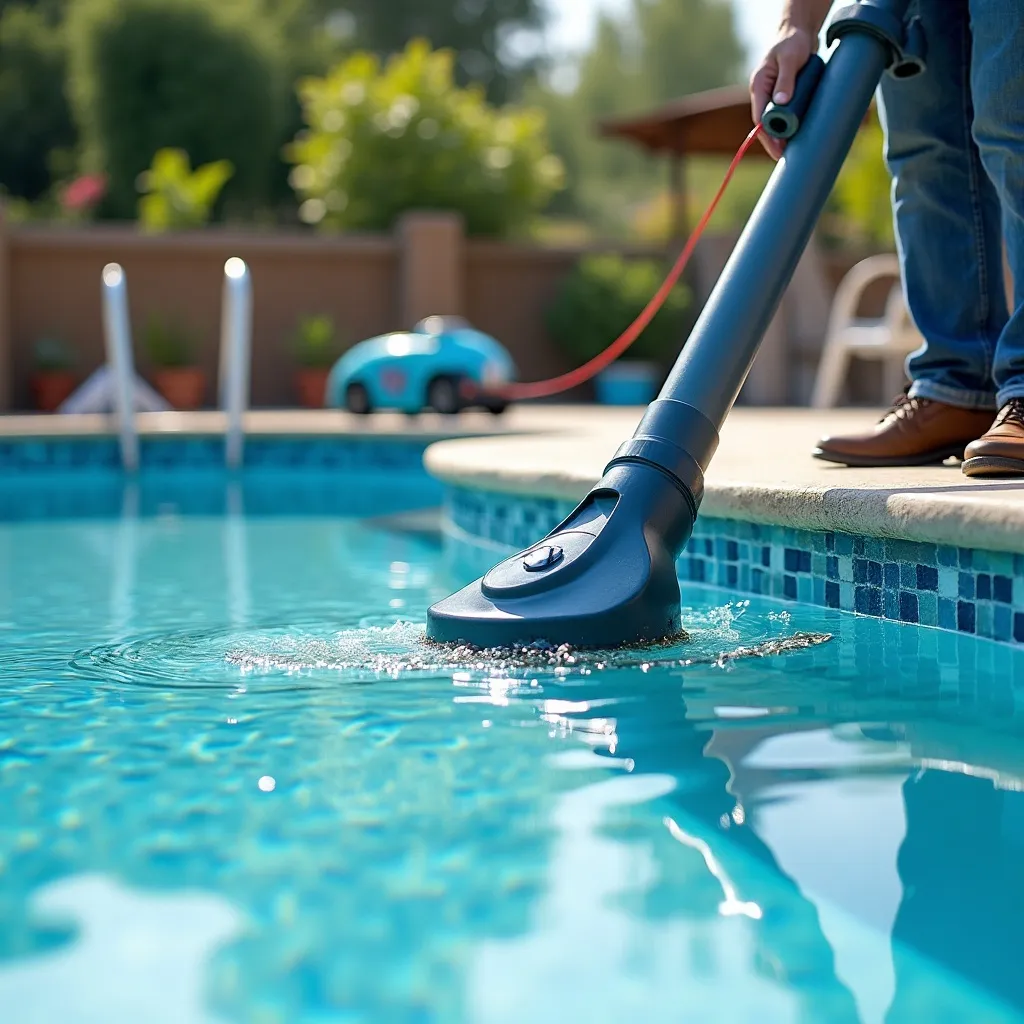
Why Pick a Established Pool Maintenance Provider?
Why should property owners consider a trustworthy pool maintenance option? The care of a pool requires consistent upkeep to ensure water quality and safety. Homeowners often are without the time or expertise to oversee this properly. A dependable pool cleaning service offers expert skills and tools, assuring that the pool remains clean and inviting. By entrusting the task to professionals, homeowners can avoid potential health hazards connected with unclean water, such as algae growth and harmful bacteria.
Moreover, these options can help maintain the life of the pool's infrastructure by addressing issues like debris accumulation and chemical balance. Homeowners can also benefit from routine inspections, identifying problems before they balloon into costly repairs. Ultimately, engaging a dependable pool cleaning service allows homeowners to enjoy their pool without the stress of maintenance, providing peace of mind and enhancing their overall swimming experience.
Key Benefits of Hiring a Pool Cleaning Service
While many homeowners may miss the importance of the importance of pool care, hiring a professional pool cleaning service presents substantial advantages that enhance both the pool's condition and the user's experience. One significant advantage is the skill set these professionals offer, ensuring that all components of pool maintenance—from chemical balancing to equipment maintenance—are executed correctly. This skill set helps in preventing costly repairs down the line.
In addition, a regular cleaning schedule alleviates the burden on homeowners, allowing them to enjoy their pool without the stress of upkeep. Professionals also apply specialized equipment and high-quality cleaning solutions that can obtain superior results compared to DIY methods.
Furthermore, employing a service conserves time, enabling homeowners to concentrate on leisure rather than work. Ultimately, the investment in a pool cleaning service leads to a more welcoming, hygienic swimming environment, improving both the aesthetic appeal and performance of the pool.
Essential Criteria for Choosing a Pool Care Company
Picking the appropriate pool cleaning service demands thorough examination of several key factors. Primarily, a reputable service should maintain proper certifications, including permits and protection, guaranteeing adherence to regional standards and offering protection against conceivable legal issues. Subsequently, patron reviews and endorsements function as valuable indicators of trustworthiness and caliber, enabling prospective clients to evaluate the service's reputation.
Additionally, the selection of services rendered is imperative; a complete cleaning service should feature scheduled maintenance, pH balancing, and equipment evaluations. Clear pricing is one more critical element, as candid and clear quotations circumvent hidden expenses. In addition, a focus on utilizing green materials can elevate the service's value, reflecting the ideals of green-minded clients. In conclusion, the provision of varied scheduling choices confirms that the business can address customers' varied circumstances, promoting find here customer contentment and convenience.
Comparing Pool Cleaning Methods: Pros and Cons
When considering pool cleaning methods, it is required to learn the advantages and disadvantages of each approach. Manual cleaning allows for detailed and careful work but can be physically taxing and prolonged. Automatic cleaners present convenience and efficiency, though they may not reach every corner of the pool.
Chemical treatments are efficient in sanitizing, but incorrect application can lead to unbalanced chemical levels. In contrast, eco-friendly cleaning approaches, like using natural enzymes, are eco-friendly but may require more frequent applications to preserve water clarity.
Robotic cleaning units are more popular than ever, combining automation with effectiveness but often involve a costly upfront investment. Ultimately, which cleaning technique works copyrights on budget, the time you can dedicate, and personal preference. Knowing these benefits and drawbacks helps those maintaining pools to make informed decisions and ensure their pool stays crystal clear and inviting.
How Often Should You Get Your Pool Maintained?
Ascertaining how frequently a pool requires care involves several factors that can substantially influence maintenance requirements. Seasonal shifts, the intensity of pool utilization, and overall pool purity are essential considerations in formulating a effective maintenance regimen. Comprehending these facets can enable pool owners to sustain a hygienic and enjoyable swimming locale.
Periodic Maintenance Tips
Ongoing pool maintenance is critical for maintaining a protected and attractive aquatic environment. Periodic recommendations recommend that pool managers should schedule maintenance based on the distinctive needs of their pool and surrounding climate. In spring, a thorough cleaning is necessary to get rid of debris that accumulated over winter. During the summer timeframe, weekly upkeep are commonly suggested to maintain greater usage and algae expansion. As autumn draws near, more frequent upkeep may be essential to handle leaves and other natural elements. In winter, if the pool is not in use, bi-weekly maintenance can help avoid challenges like freezing and algae buildup. Maintaining these seasonal standards guarantees superior pool health, safety, and enjoyment throughout the year.
Pool Usage Occurrence Impact
How often should pool managers think about cleaning their pool? The frequency of pool upkeep largely depends on usage patterns. For pools that see daily use, particularly in warmer months, a weekly maintenance plan is advisable to maintain ideal hygiene and appearance. In contrast, pools that are used less frequently may only need maintenance every two weeks. Weather-related considerations also play a role; for instance, in the fall, leaves and debris may necessitate more regular attention. Additionally, the presence of bathers introduces contaminants, which can accelerate the requirement for maintenance. Recognizing these factors helps pool managers establish a tailored cleaning routine that ensures a sparkling, inviting swimming environment without unnecessary maintenance costs.
Quality of Water Concerns
The purity of pool water represents a vital factor in creating a secure and enjoyable swimming environment. Regular cleaning is crucial to preserve ideal water quality, typically suggested once a week for residential pools. However, the frequency may differ based on multiple factors, including pool usage, weather conditions, and surrounding vegetation. Heavy usage or debris-filled environments may require more frequent cleaning. Additionally, regular checking of water chemistry—such as pH and chlorine levels—is crucial to ensure sanitary conditions. Neglecting these aspects can lead to algae growth, cloudy water, and possible health risks. Consequently, investing in a reliable cleaning service not only enhances the pool's appearance but also protects the health of its users.
What Could Go Wrong Without Proper Service?
Overlooking pool upkeep can cause numerous challenges that damage both the safety and pleasure of the swimming venue. Absent consistent cleaning routines, debris collects, developing a epicenter for pathogens and algae, which might generate health dangers to aquatic enthusiasts. Plus, inadequate chemical balance could lead to skin irritation, eye discomfort, or even serious medical problems.
With the passage of the pool's filtering equipment, it can become clogged, reducing its capability and leading to unclear water. Furthermore, neglecting standard inspections can cause building deterioration, including breaks in the pool surface and corrosion of metal components. This deterioration not only affects aesthetics but can also lead to costly repairs. Ultimately, neglecting to care for a pool compromises its usefulness and protection, ultimately reducing the pleasure of swimming and increasing long-term expenses for the owner. Ongoing maintenance is indispensable for preserving a clean, safe, and enjoyable pool space.
Pool Cleaning Mistakes That Are Widespread to Prevent
Regular upkeep is essential for preventing a variety of issues, but even careful pool owners can make mistakes during the cleaning process. One frequent mistake is failing to check chemical levels before maintenance. Improper balance can lead to algae growth or cloudy water, compromising the cleaning effort. Additionally, employing the wrong tools can harm surfaces; for instance, metal brushes can scratch vinyl liners.
Another frequent mistake is neglecting the skimmer and pump baskets. Not emptying these can limit water flow and reduce cleaning efficiency. Some owners also overlook routine filter upkeep, resulting in decreased performance and higher energy expenses.
In conclusion, cleaning infrequently can create a accumulation of debris and contaminants. By avoiding these common pitfalls, pool owners can ensure their maintenance plans are effective, preserving their swimming areas sparkling and appealing for all.
Often Posed Questions
How can I verify if my pool cleaner has proper credentials?
To confirm if a pool cleaner is properly accredited, one should assess their qualifications with appropriate professional associations, confirm licenses, and question about their proficiency and background in pool maintenance and safety standards.
What Chemicals Do Pool Maintenance Companies Usually Use?
Pool service providers typically employ chlorine treatments, pH regulators, algaecides, and clarifiers. These chemicals preserve water transparency, prevent algal growth, and guarantee secure swimming conditions, enhancing efficient pool maintenance and overall sanitation.
Can a Pool Cleaning Company Take Care of Repairs in Addition?
Many pool maintenance companies provide restoration services, addressing problems such as seepage, equipment failures, or surface wear. Their knowledge enables for both upkeep and repairs, guaranteeing pools remain secure and operational for users.
What Manner Do Environmental Elements Effect Your Pool Upkeep Plan?
Weather patterns substantially influence pool service plans. Rain, wind, and extreme temperatures can impede scheduling, demanding adjustments. Additionally, storms may add contaminants, necessitating additional sessions to preserve water quality and transparency.
What should I complete prior to the Pool Cleaning Service comes?
Prior to the pool cleaning service arriving, the homeowner should clear any pool recreational items, furnishings, and clutter from the area. Additionally, confirming the water level and allowing access to equipment can improve a smoother cleaning process.